

 Tolulope Michael
What Is Catfishing? All You Need to Know in 2026
Catfishing refers to the deceptive practice of creating a fake online identity to lure others into emotional or financial traps. The person behind the fake profile, known as a catfisher, often steals photos, personal information, and details from real individuals to fabricate an entirely new persona.
In the digital age, catfishing has become all too common, especially in online dating, social media interactions, and even professional networks. The goal of a catfisher can range from scamming someone for money to emotionally manipulating their victims, sometimes leading to severe consequences for those involved.
In this article, we’ll answer the question: what is catfishing, from its origins and psychological reasons to how to recognize and protect yourself from it today.

Why Is It Called Catfishing?
The term catfishing might sound like something out of a fishing story, but it has a much darker meaning. The term originated from the 2010 documentary film titled Catfish, which followed a man named Nev Schulman as he discovered that the woman he was developing a relationship with online was not who she claimed to be. The film exposed the manipulative and deceptive world of online identity theft, leading to the popularization of the term “catfishing.”
But why catfish? The term itself is an interesting metaphor. When fish are caught, they are often baited with something appealing to lure them in. Similarly, a catfisher uses a carefully crafted fake identity to reel in unsuspecting victims. Much like how a catfish is often baited in the waters, the person being tricked is drawn in by the enticing persona, only to later realize they’ve been deceived.
Since the release of the documentary, the word catfishing has taken on a life of its own. It’s now synonymous with online deception, and the term is regularly used in both cybersecurity and online relationship contexts.
What Is Catfishing on the Internet?
Catfishing takes on a very specific form. It refers to the act of creating a fake online identity with the intent to deceive, manipulate, or exploit others. Often, this involves using someone else’s photos, personal details, and life story to present an entirely fabricated persona. This new, false identity is then used to trick people into trusting, engaging with, or even falling in love with the catfisher.
Catfishing on the internet has become especially prevalent in online dating and social media. On platforms where individuals share personal details, catfishers can easily assume the identity of someone more attractive, successful, or interesting than themselves.
They may steal photos of a model or celebrity and use those as their profile pictures, while concocting stories that are designed to appeal to potential victims. The fake profiles can be nearly impossible to distinguish from real ones, which makes it easy for catfishers to engage their targets without suspicion.
However, catfishing isn’t always about romance. It can also occur in professional settings, with individuals faking their qualifications, work experience, or even entire careers to gain access to opportunities or to scam businesses. Whether for emotional manipulation, financial gain, or identity theft, the intentions behind catfishing can vary, but the underlying act remains the same: creating a false identity to deceive others.
Common Examples of Catfishing
Catfishing can take many forms, depending on the motives of the catfisher and the platform they choose to exploit. Below are some of the most common examples of catfishing:
1. Romantic Catfishing
This is perhaps the most well-known form of catfishing. In romantic catfishing, a person creates a fake identity to form a romantic relationship with another individual. The catfisher will often use stolen photos from someone else, presenting themselves as a good-looking, successful, or even a famous individual to attract attention. Over time, they build an emotional connection with the victim, often manipulating them emotionally.
- Example: A catfisher might create a profile of a soldier stationed overseas, claiming they are looking for love but cannot meet in person due to their job. After gaining the victim’s trust, they may eventually ask for money to cover supposed medical expenses or travel costs.
2. Financial Catfishing (Scams)
Some catfishers target individuals for financial gain. This can involve a catfisher posing as someone in need, often claiming to be a romantic partner, and requesting money under false pretenses. The goal is usually to trick the victim into sending funds, gift cards, or even cryptocurrencies.
- Example: A victim might be led to believe that their online partner is in financial trouble due to an emergency abroad. The catfisher convinces them to send money for “urgent” bills, only to disappear once the money is transferred.
3. Identity Theft Catfishing
In this form of catfishing, the catfisher impersonates someone to gain access to their personal information, such as bank details, social media accounts, or even professional credentials. This type of catfishing is often used for identity theft or fraud.
- Example: A catfisher might hack into someone’s social media account, take their photos, and impersonate them to scam people or steal money from their contacts.
4. Catfishing for Revenge
Catfishing can also be used as a tool for revenge or personal vendettas. In these cases, the catfisher creates a fake profile with the intent of damaging the reputation or embarrassing the person they’re targeting. This often involves using the person’s photos and personal information to impersonate them and cause harm.
- Example: A catfisher might impersonate someone online, starting fake social media accounts or posting inappropriate messages to destroy the person’s public image or disrupt their personal life.
5. Social Media Catfishing
In social media catfishing, the goal isn’t necessarily to scam money or start a relationship, but to create a fake identity for the purpose of gaining followers or manipulating public perception. These fake profiles may be used to spread misinformation, start rumors, or even manipulate people into buying products or services.
- Example: A fake influencer on Instagram might use stolen photos to create a glamorous lifestyle profile, enticing followers to buy products they are promoting. In reality, the catfish is just a person posing as someone they are not to benefit from advertising deals.
These examples show that catfishing can be dangerous not only in personal relationships but also in business and social media interactions. By understanding the different forms catfishing can take, individuals can better protect themselves from falling victim to these deceptive tactics.
READ MORE: What Is Radius Authentication? How It Works in 2026
Why Do People Catfish?

Catfishing isn’t just about deception; it’s often driven by underlying psychological motivations and personal reasons. Understanding why people engage in this behavior can help shed light on the phenomenon and its impact. Here are some of the key reasons why someone might turn to catfishing:
1. Insecurity and Low Self-Esteem
Many catfishers create fake identities because they feel insecure or dissatisfied with their own lives. By adopting a more attractive or successful persona, they gain confidence and feel validated by the attention and admiration they receive. Catfishing allows them to live out an identity they feel they can’t achieve in real life.
- Example: A person who struggles with body image might steal someone else’s photos to create a profile of an attractive individual, engaging with others to feel more accepted and admired.
2. Concealing Their Real Identity
For some, catfishing is an easy way to conceal their real identity online. Whether they’re trying to escape from their past, hide something they’re ashamed of, or simply want to be anonymous, creating a fake persona offers them a way to exist without repercussions.
- Example: A person may use a fake identity to escape their real-life responsibilities, like an unhappy marriage, or to engage in online trolling without being identified.
3. Financial Gain
Some catfishers catfish for money, targeting individuals who are vulnerable or emotionally invested in the fake relationship. Once trust is built, the catfisher might manipulate the victim into sending money for emergencies or promised trips. Romance scams are the most common type of financial catfishing.
- Example: After developing an emotional connection, the catfisher might ask the victim for money to cover fake medical bills or travel expenses.
4. Revenge or Malice
In some cases, the motive behind catfishing is revenge or malice. A person might impersonate someone else to damage their reputation or cause emotional distress. This often involves using the victim’s photos or personal details to create a false identity and then either humiliate or hurt them by saying things they would never say.
- Example: A person might pretend to be someone their ex is in a relationship with to embarrass them or cause conflict between their ex and their new partner.
5. Experimenting with Sexual Identity
Some catfishers use fake profiles to explore their sexual preferences without revealing their true identity. They may act out their sexual fantasies by impersonating someone else, giving them the freedom to experiment without the consequences of being truthful about their real self.
- Example: A person might pretend to be someone of a different gender or sexual orientation to engage in conversations or relationships they wouldn’t feel comfortable having in real life.
6. Mental Health Issues
Catfishing can sometimes be linked to mental health issues, like depression, anxiety, or social isolation. For some, adopting a fake identity online allows them to experience a version of life that feels more comfortable, giving them a sense of control or escape from their problems.
- Example: A person struggling with loneliness or low self-esteem may create an online persona that allows them to interact with others in a way that feels safer or more fulfilling than real-life interactions.
7. Simple Fun or Manipulation
In some rare cases, catfishing is done just for fun or manipulation. These individuals may find it entertaining to see how far they can deceive others, using the fake identity to control or lead people on. The thrill of the deception becomes the driving force behind the catfishing behavior.
- Example: A person might create a fake identity on a dating app simply to manipulate people’s emotions for their amusement, without any real intention of taking the interaction seriously.
Understanding the reasons behind catfishing gives insight into the psychological and emotional drivers that lead people to engage in this harmful behavior. Whether stemming from insecurities or malicious intent, catfishing has serious consequences for the victims involved.
Is Catfishing a Crime?
Catfishing, in many cases, can involve illegal activities depending on the actions of the catfisher and the consequences faced by the victim. While the act of creating a fake identity itself may not always be classified as a criminal offense, it often crosses into criminal territory when certain deceptive actions are involved.
1. Fraud and Financial Scams
When catfishing is used to deceive someone into giving money or personal financial information, it clearly falls under fraud. Fraud is illegal in nearly all jurisdictions, and individuals caught scamming others for money can face serious consequences, including fines and jail time.
- Example: A catfisher may build a romantic relationship with a victim, then fabricate a personal emergency (e.g., medical bills, travel costs) and ask for money. If the victim sends money under false pretenses, this can be classified as financial fraud.
2. Identity Theft
Catfishing often involves identity theft, especially when the catfisher uses another person’s photos, personal details, or even stolen social media profiles to create a false identity. Using someone else’s identity without permission is illegal and can lead to serious legal repercussions for the catfisher.
- Example: A catfisher may steal someone’s social media photos and create a profile with fake details. If this impersonation leads to misuse of the victim’s identity, such as opening accounts or committing crimes under their name, it’s classified as identity theft.
3. Cyberbullying and Harassment
Catfishing can also be a form of cyberbullying, particularly when the catfisher uses the fake identity to manipulate or humiliate the victim. If the catfisher continuously harasses, blackmails, or embarrasses the target, this can lead to legal action under cyberbullying or harassment laws.
- Example: A catfisher may create a fake online persona to manipulate someone emotionally, then expose private conversations or photos to publicly shame the victim. Sextortion (where explicit images or videos are used to threaten or blackmail the victim) is a common criminal offense linked to catfishing.
4. Sextortion and Blackmail
A particularly dangerous form of catfishing involves sextortion, where the catfisher coerces their victim into sending explicit photos or videos, and then uses those images for blackmail. This is not only harmful but is explicitly illegal in many places.
- Example: After building trust with a victim, the catfisher might pressure them to send nude photos or participate in explicit online chats. Once the images are sent, the catfisher threatens to release them unless money is paid or more intimate content is provided.
5. Online Stalking
Catfishing can also lead to online stalking when a catfisher creates a false identity to get close to someone and then continually monitor their activities. This can cross into illegal territory if the victim feels harassed or is unable to escape the unwanted attention.
- Example: A catfisher might create a fake persona and begin interacting with the victim regularly, slowly gaining their trust. Eventually, the catfisher starts stalking the victim’s social media accounts or follows them in real life, crossing into the realm of stalking.
6. Is Catfishing Always a Crime?
While not all catfishing is inherently criminal, the intentions behind it play a significant role in determining whether it becomes illegal. Simply creating a fake profile and engaging in online deception for personal amusement may not be a crime, but once the deception causes harm, it can be classified as illegal.
ALSO SEE: What Is SSID Wireless Internet? Everything You Need to Know
Legal Consequences for Catfishers
If a catfisher crosses the line into criminal behavior, the consequences can be severe:
- Financial penalties for fraud or theft.
- Jail time for harassment, identity theft, or sextortion.
- Civil lawsuits for damages, particularly if the victim can prove harm caused by the catfishing.
Understanding that catfishing can be illegal is important for both the victims and the perpetrators. While it may begin as an innocent form of online deception, the actions that follow can easily lead to criminal charges.
How to Spot a Catfish
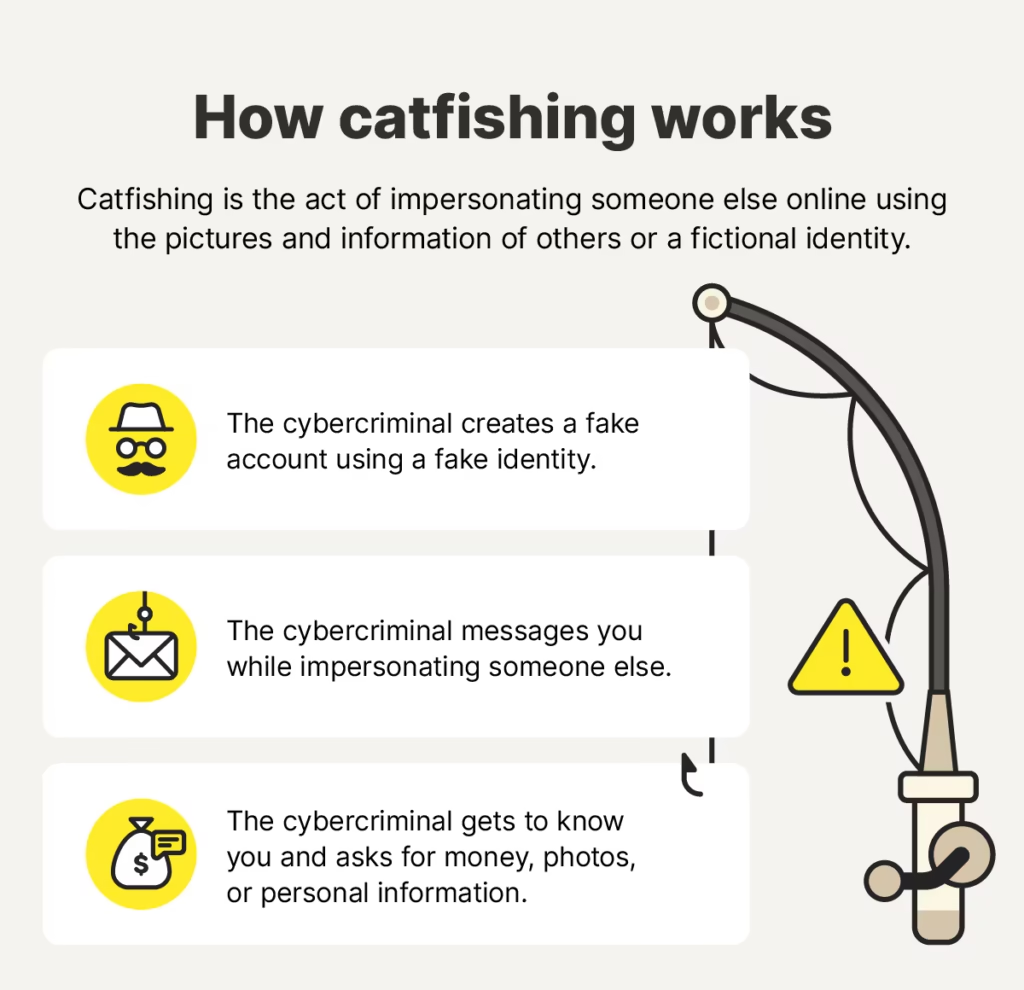
Identifying a catfish can be difficult, especially since many catfishers are skilled at crafting convincing fake identities. However, there are several warning signs and red flags that can help you spot a catfish before they cause harm. Here’s how to tell if someone you’re interacting with online might be a catfish:
1. They Refuse to Meet in Person or Video Call
One of the clearest signs of a catfish is their reluctance to meet face-to-face or have a video call. A catfisher will often make excuses to avoid showing their real appearance, as revealing their true identity could expose the deception. Common excuses include:
- “My camera isn’t working.”
- “I’m always traveling for work.”
- “I’m shy or embarrassed about my appearance.”
If someone constantly avoids video chats or in-person meetings, it’s a strong indication that they may be hiding something.
2. Their Profile Picture Stays the Same
A catfisher usually steals a profile picture from someone else. As a result, their photo might remain unchanged for months or years, even though time has passed, and they should be aging. If you notice a person’s profile picture staying the same, regardless of the time that has passed, it could be a sign of identity theft or photo manipulation.
- Tip: You can use a Google reverse image search to check if the picture appears elsewhere on the internet under a different name.
3. They Have Minimal Social Media Activity
Catfishers typically don’t maintain a genuine online presence. They may have a low number of friends or followers, and their social media profiles are often sparse or incomplete. This lack of activity is because the fake identity is often only used to target a single victim, not for real social interaction.
- Red Flags:
- No posts or pictures from friends.
- The account seems new, with very few connections.
- Lack of engagement on social platforms.
- No posts or pictures from friends.
4. Their Stories Don’t Add Up
A catfisher will often fabricate details about their life, and they can’t keep their stories straight. They may contradict themselves or change their backstory depending on the conversation. This can include inconsistencies in their:
- Location
- Job or school
- Hobbies or interests
- The people they claim to know
If you notice frequent discrepancies in what they tell you, it’s a sign they are fabricating their identity.
5. They Ask for Money or Gifts
One of the most common tactics used by catfishers is to manipulate their targets into sending them money or gifts. After gaining the victim’s trust and creating an emotional bond, the catfisher may invent a crisis or emergency and ask for financial help. This could include:
- Medical emergencies
- Travel costs
- Help with a “business venture”
Never send money to someone you’ve never met in person, no matter how convincing their story seems.
6. They Love Bomb You
A catfisher might shower you with compliments, affection, and attention, sometimes right from the start. This behavior, known as love bombing, is designed to make you feel special and trusted. They might profess love or deep feelings very quickly, hoping to gain your emotional dependence.
- Warning Sign: If someone seems too eager to declare their feelings for you, especially early on in the relationship, take a step back and evaluate their sincerity.
7. They Want to Move Conversations to Private Channels
Catfishers often prefer to move conversations away from the public platform (like dating apps or social media) to private channels like WhatsApp, Snapchat, or even encrypted messaging services like Telegram. This makes it harder to trace their activities and gives them more control over the conversation.
- Red Flag: If someone presses you to move off the platform you’re using to talk, be cautious. They may be trying to manipulate you privately or avoid being flagged by the platform.
8. They Are Overly Evasive
A catfisher will avoid personal questions or be vague when you try to get to know more about them. They may change the subject quickly or become defensive when asked for more information about their life.
- Tip: If someone is unwilling to provide basic information about themselves, like their hometown, workplace, or background, it could be a sign that they’re hiding the truth.
MORE: How Do I Choose the Right CSPM for My Business? (2026 Guide + Checklist)
How to Protect Yourself
- Be cautious about sharing personal details: Avoid giving out your full name, address, or financial information early in a relationship.
- Use reverse image search: Check if their photos are stolen from someone else online.
- Insist on video chats: If someone refuses or constantly postpones a video chat, that’s a red flag.
- Listen to your instincts: If something feels off, it probably is. Trust your gut and take time to evaluate their authenticity.
Recognizing a catfish early can save you from emotional distress, financial loss, and manipulation. The more you know about the signs, the better equipped you’ll be to protect yourself online.
Is Catfishing Illegal?
While catfishing itself is not always illegal in all circumstances, it can easily cross the line into criminal activity depending on the intent of the catfisher and the harm they cause to their victims. Let’s break down the legal implications of catfishing and explore when it becomes a crime.
1. Financial Fraud and Scam
Catfishing is often tied to financial fraud. When a catfisher uses a fake identity to convince someone to send money, buy gift cards, or transfer funds, this is a form of fraud and is illegal in most places. If the victim is tricked into giving up money or valuables under false pretenses, the catfisher can face criminal charges for theft or fraud.
- Example: A catfisher builds a romantic connection with a victim and later convinces them to send money for an emergency. This act is clearly a form of fraud and can lead to criminal prosecution.
2. Identity Theft
Catfishing often involves stealing someone’s identity. This includes using stolen photos, personal details, or even hacking into someone’s social media accounts to create a fake persona. Identity theft is a serious crime, and individuals caught engaging in this behavior can face criminal charges under identity theft and fraud laws.
- Example: A catfisher uses stolen photos from an individual’s Instagram account, builds a fake profile, and uses that persona to gain trust and manipulate people. The victim of the identity theft can pursue legal action, and the catfisher can face severe legal consequences.
3. Cyberbullying and Harassment
Catfishing can also be considered a form of cyberbullying or harassment, especially if the catfisher manipulates their target’s emotions, gathers sensitive information, or causes psychological harm. Many countries have enacted cyberbullying laws that make it illegal to use the internet to intentionally harm or harass others.
- Example: A catfisher who uses a fake persona to build a romantic relationship, then uses the victim’s private information to humiliate them publicly, could be charged under cyberbullying or harassment laws.
4. Sextortion and Blackmail
A particularly harmful form of catfishing involves sextortion, where the catfisher manipulates their victim into sending explicit images or videos, and then threatens to expose them unless they receive money or more intimate content. Sextortion is a crime and can lead to severe penalties, including prison time.
- Example: A catfisher convinces a victim to send explicit images, then threatens to release them unless the victim pays a large sum of money. This is criminal blackmail and can lead to serious legal consequences for the catfisher.
5. Is Catfishing Always Illegal?
Not all instances of catfishing are explicitly illegal, but many aspects of catfishing can cross into criminal territory:
- If a catfisher is only pretending to be someone else but doesn’t manipulate, deceive, or harm the victim, it might not be illegal, but it is still unethical.
- If the intent is harmless fun or experimenting with online personas, it may not constitute a crime. However, it can still be damaging to relationships and trust.
6. Legal Consequences for Catfishers
If a catfisher engages in criminal activities like fraud, identity theft, or harassment, they can face legal action that could include:
- Fines and compensation for damages.
- Criminal charges such as fraud, identity theft, blackmail, and cyberbullying.
- Imprisonment for severe cases, especially if the catfishing involves extortion or significant financial loss.
Catfishing can easily transition from an online deception into a legal crime, depending on the intent and the harm caused. Understanding when it crosses into criminal behavior is crucial, both for those engaging in catfishing and for those who may become victims.
SEE: What Degree Do You Need for Cybersecurity?
How to Avoid Becoming a Victim of Catfishing
Preventing catfishing starts with awareness and vigilance. While catfishers can be quite convincing, there are steps you can take to protect yourself from falling victim to their schemes. Here are some proactive measures to stay safe online:
1. Be Cautious About Sharing Personal Information
One of the main tools a catfisher uses is the information you share online. Be careful not to give out sensitive details too easily, especially to someone you’ve never met in person.
- What to Do: Avoid sharing personal information such as your address, phone number, financial details, or social security number with anyone online, especially with people you haven’t met in person. The more a catfisher knows about you, the easier it is for them to manipulate or deceive you.
2. Insist on Video Calls
One of the biggest red flags for catfishing is when the other person refuses to meet in person or have a video call. Catfishers will often make excuses to avoid showing themselves.
- What to Do: If you’re building an online relationship with someone and they refuse to video chat, consider it a warning sign. Suggest a video call or meeting in person at a public place. If they keep avoiding this, it’s time to walk away.
3. Look for Inconsistencies in Their Stories
Catfishers often create fake identities, and their stories can be full of holes and inconsistencies. They may contradict themselves or change their backstory depending on the situation.
- What to Do: Pay attention to the details they share. If you notice their story doesn’t add up or if they keep changing facts, don’t ignore these red flags. Trust your instincts and be cautious.
4. Do a Reverse Image Search
If someone you’re talking to online seems too good to be true, it’s worth checking their profile picture to see if it belongs to someone else. Catfishers frequently use photos stolen from other people’s social media accounts.
- What to Do: Use a Google reverse image search or tools like TinEye to check if their photos appear on other websites. If the image is found on multiple sites or linked to a completely different name, it’s a sign you might be dealing with a catfisher.
5. Trust Your Gut
If something feels off about a person’s profile or behavior, listen to your instincts. Catfishers are often skilled at manipulating emotions, so if you feel uncomfortable or suspicious, don’t ignore that feeling.
- What to Do: Take a step back and evaluate the situation. Don’t be afraid to block or report someone if you think they’re trying to deceive you. Your safety and mental well-being should always come first.
6. Be Careful with Requests for Money or Gifts
One of the most common catfishing tactics is asking for money or gifts under false pretenses. Catfishers often claim to be in an emergency situation, such as needing money for medical bills or travel costs.
- What to Do: If someone you’ve just met online asks for money—especially if you haven’t met in person, do not send money. Even if you’ve formed an emotional connection, it’s crucial to stay cautious.
7. Check Their Social Media Presence
Catfishers often have a minimal online presence. They may not be active on social media, or their profiles may seem new or incomplete. An established person will usually have a more authentic online presence.
- What to Do: Take the time to look at their social media profiles. If you notice a lack of activity, or if they claim to be someone famous but their social media doesn’t reflect that, it’s time to be suspicious. Also, ask if they have other accounts or more photos to share.
8. Don’t Move Conversations to Private Messaging Too Quickly
Catfishers prefer to move conversations to private platforms (such as WhatsApp, Snapchat, or email) where they can operate without public scrutiny. They might try to get you to move the conversation away from the site you initially connected on.
- What to Do: Keep your conversations on reputable platforms (dating apps or social media) where you can report suspicious activity. If the person insists on moving the conversation to another platform early on, consider it a red flag.
Additional Tips to Protect Yourself from Catfishing:
- Use Two-Factor Authentication (2FA): Enable 2FA on your accounts for an added layer of protection.
- Don’t Fall for “Too Good to Be True” Stories: If something seems too perfect, it probably isn’t. Catfishers will often create stories that sound too ideal to be true, such as claiming to be a rich, successful individual with no evidence.
- Educate Yourself and Others: Share your knowledge about catfishing with friends and family, especially those who may be more vulnerable, such as older adults or teenagers.
By being vigilant, trusting your instincts, and taking proactive steps to protect your personal information, you can significantly reduce your chances of falling victim to catfishing.
If you’re ready to take the next step in your tech career journey, cybersecurity is the simplest and high-paying field to start from. Apart from earning 6-figures from the comfort of your home, you don’t need to have a degree or IT background. Schedule a one-on-one consultation session with our expert cybersecurity coach, Tolulope Michael TODAY! Join over 1000 students in sharing your success stories.
Conclusion
As we continue to spend more time online, catfishing remains a growing concern. The rise of social media, dating apps, and advanced AI technologies has made it easier than ever for catfishers to create convincing fake identities and manipulate unsuspecting individuals. What was once a simple trick has evolved into a complex and dangerous form of online deception that can lead to emotional harm, financial loss, and identity theft.
However, as technology advances, so does our ability to recognize and protect ourselves from these kinds of scams. AI tools, reverse image searches, and online safety practices make it possible to spot a catfish before they cause harm. The key to staying safe online is awareness, vigilance, and knowing the signs of a scam.
In 2026, catfishing has not only become more prevalent but also more sophisticated. With the emergence of deepfake technology and AI-generated profiles, catfishers can now impersonate people with shocking realism. That’s why it’s more important than ever to stay informed, safeguard your personal information, and always trust your gut when something feels off online.
Remember, it’s not just about avoiding romantic scams; catfishing can affect anyone in the digital world, from professionals and businesses to social media users and online communities. By taking proactive measures to protect yourself, you can minimize the risk of falling victim to catfishing in the ever-evolving digital landscape.
FAQ
What is meant by catfishing someone?
Catfishing someone means creating a fake online identity with the intent to deceive or manipulate them. This typically involves stealing someone else’s photos and personal details to create a profile that appears genuine. The person behind the fake identity, known as a catfisher, often uses this persona to build a relationship, emotionally manipulate, or scam the victim for financial gain or personal reasons.
How can you tell if someone is catfishing you?
You can tell if someone is catfishing you by looking for several warning signs, such as:
– They refuse to video chat or meet in person.
– They have a low number of friends or followers on their social media accounts.
– They keep their profile picture the same for months or years, without aging.
– They often avoid direct answers or get defensive when asked personal questions.
– They ask you for money, gifts, or intimate photos under false pretenses.
If you notice these behaviors, it’s important to be cautious and consider investigating further, perhaps using a reverse image search to verify their identity.
Is catfishing illegal in the UK?
Yes, catfishing can be illegal in the UK, especially if it involves fraud, identity theft, blackmail, or harassment. If a catfisher uses a fake identity to scam someone for money or personal information, it can fall under criminal fraud laws.
Additionally, sextortion, which often accompanies catfishing, is a criminal offense under the UK’s Protection from Harassment Act and other relevant laws. If you’re a victim of catfishing in the UK, it is important to report the incident to authorities.
What can a catfish do with your phone number?
A catfisher can use your phone number for various malicious purposes:
Stalking: They may use your phone number to track your location through apps or services that associate your number with your identity.
Scams: Catfishers may use your number to scam you through unsolicited calls or texts, often posing as someone trustworthy, like a bank or government official.
Identity theft: If a catfisher gains access to additional personal information linked to your phone number, they could potentially use it to steal your identity, open accounts, or access your finances.
It’s important to protect your phone number and be cautious when sharing it with unknown individuals.
