

 Tolulope Michael
What Is SSID Wireless Internet? Everything You Need to Know
SSID wireless internet refers to the name used to identify a WiFi network so devices know which network to connect to.
SSID stands for Service Set Identifier. In simple terms, it is the visible name of a wireless network broadcast by a router. When you open WiFi settings on your phone or laptop and see a list of available networks, every name on that list is an SSID.
An SSID does not provide internet access by itself. It acts as a label. It tells your device, “This is the network you’re looking for.” Once your device selects the SSID, it then checks whether it has the correct SSID password to complete the connection.
Every ssid wireless internet router creates at least one SSID during setup. Some routers create more than one, such as a main network and a guest network. Each SSID points devices to a specific wireless network managed by that router.
Without an SSID, devices would not know how to distinguish one WiFi network from another. In places like apartment buildings, offices, or cafés where dozens of networks exist, SSIDs make wireless internet usable.
In short, SSID wireless internet works like a signpost. It shows your device where the network is, but it does not unlock the door. The password and security settings handle that part.

What an SSID Does (And What It Does Not Do)
An SSID has one clear job. It identifies a WiFi network so devices can find and select it.
When a router broadcasts SSID wireless internet, it sends out the network name at regular intervals. Phones, laptops, and smart devices listen for these broadcasts and display the SSID in their WiFi list. Once you tap or click that name, your device knows which network it is trying to reach.
That is where the role of an SSID ends.
An SSID does not secure a network. It does not encrypt data. It does not control who can join. Security comes from the SSID password and the encryption settings applied to the router, such as WPA2 or WPA3.
An SSID also does not provide internet access by itself. Even if a network name appears in your WiFi list, it does not guarantee a working connection. The router still needs an active internet service, correct configuration, and valid login credentials.
Many people assume the SSID and password are the same thing. They are not. The SSID tells your device which network to talk to. The password proves that your device is allowed to join it.
Understanding this difference matters when troubleshooting connection problems. If a device sees the SSID but cannot connect, the issue usually lies with the ssid wireless internet password, not the SSID itself.
In simple terms, the SSID points the way. The password and security settings decide who gets access.
SSID vs WiFi Password vs Router Name
People often mix up the SSID, the WiFi password, and the router itself. This confusion causes many connection problems. Once you understand how each one works, WiFi setup becomes much easier.
SSID (WiFi Network Name)
The SSID is the name of the wireless network you see on your device. It appears in your WiFi list and helps you choose the correct network.
Examples of SSIDs include:
- Home_Network
- Office_WiFi
- CoffeeShop_Guest
The SSID does not protect the network. It only identifies it. Every ssid wireless internet router broadcasts at least one SSID so devices can find it.
WiFi Password (SSID Password)
The SSID password controls access to the network. After you select an SSID, your device asks for this password before it connects.
This password:
- Proves you are allowed to join the network
- Works with encryption settings like WPA2 or WPA3
- Protects data moving across the network
If you see an SSID but cannot connect, the problem usually involves the ssid wireless internet password, not the SSID name.
Router or Access Point
The router is the physical device that creates and manages the wireless network. It:
- Generates the SSID
- Enforces the WiFi password
- Connects your devices to the internet
A single router can broadcast multiple SSIDs, such as a main network, a guest network, and an IoT network. Each SSID can have its own password and security rules.
When troubleshooting WiFi issues, knowing the difference saves time.
- If the SSID does not appear, the router may not be broadcasting correctly.
- If the SSID appears but login fails, the WiFi SSID login problem usually involves the password.
- If devices connect but have no internet, the router or internet service is the likely issue.
Once you separate these roles in your mind, WiFi problems become easier to diagnose and fix.
Where SSID Wireless Internet Lives on a Router
Every ssid wireless internet router creates and controls the SSID from its internal settings. The SSID does not exist on your phone or laptop. It lives inside the router’s wireless configuration.
When you turn on a router for the first time, it generates a default SSID. Router manufacturers usually base this name on the brand and model, often followed by random numbers. The router then broadcasts that SSID so nearby devices can detect it.
Inside the router, the SSID sits within the ssid wireless internet settings, alongside security options, passwords, and frequency bands. These settings tell the router:
- What network name to broadcast
- Which devices can connect
- What type of encryption to use
- Which frequency bands to support
Most modern routers broadcast the same SSID across multiple bands, such as 2.4 GHz and 5 GHz. This setup allows devices to switch bands automatically while keeping one network name. Some routers also support 6 GHz, which newer devices can use for faster connections.
A router can also broadcast more than one SSID at the same time. Common examples include:
- A main home or office network
- A guest network with limited access
- A separate network for smart devices
Each SSID still points back to the same router, but the router treats them as separate networks with different rules.
Understanding where the SSID lives helps when something goes wrong. If the SSID disappears, the issue usually sits with the router, not the device. Changes made inside the router’s wireless settings control whether the SSID appears, how it behaves, and who can connect.
How to Find SSID of WiFi (All Common Situations)
Finding the SSID of a WiFi network is usually simple, but the method depends on what you already have access to. Below are the most reliable ways to locate an SSID in real-world situations.
1. How to Find SSID on a Router
If the network still uses its default name, the easiest place to look is the router itself.
Most ssid wireless internet routers have a sticker on the back or bottom. That sticker usually shows:
- The default SSID
- The SSID password
- The router’s IP address
This method works best for new routers or networks that have never been renamed.
If the SSID has been changed, log into the router’s admin panel:
- Connect a device to the router using WiFi or an Ethernet cable.
- Open a web browser.
- Enter the router’s IP address.
- Log in with the admin credentials.
- Open the wireless or WiFi settings section.
- Look for the SSID field.
2. How to Find SSID on a Device That Is Already Connected
If your device is connected to WiFi, you can find the SSID in seconds.
On Windows
- Click the WiFi icon in the taskbar.
- The network name shown at the top is the SSID you are using.
On macOS
- Click the WiFi icon in the menu bar.
- The network with a check mark is the SSID.
On Android
- Open Settings.
- Tap WiFi.
- The SSID appears under “Connected.”
On iPhone
- Open Settings.
- Tap WiFi.
- The SSID has a check mark next to it.
This method only works if the device has already joined the network.
3. How to Find SSID of WiFi You Have Never Connected To
If you want to connect to a new network, your device will show all visible SSIDs within range. Simply open WiFi settings and review the list of available networks.
If the SSID does not appear:
- Ask the network owner for the exact SSID name.
- Check whether the network is hidden.
- Confirm that your device supports the router’s frequency band.
Avoid guessing SSID names. Guessing increases the risk of connecting to a fake network with a similar name, especially in public spaces.
Knowing how to find SSID of WiFi helps you avoid connection errors and security risks before you even enter a password.
How to Connect WiFi With SSID (Step-by-Step)

Connecting to WiFi always starts with selecting the correct SSID. Once you understand the order of events, the process becomes predictable and easy to troubleshoot.
Step 1: Open WiFi Settings on Your Device
Go to the WiFi or network settings on your phone, tablet, or computer. Your device will scan for nearby SSID wireless internet networks and display a list of available names.
Step 2: Select the Correct SSID
From the list, choose the SSID that matches the network you want to join. In areas with many networks, take your time and confirm the exact spelling. Similar names often belong to different routers.
Step 3: Enter the SSID Password
After selecting the SSID, your device will request the SSID password. Enter the password carefully, paying attention to uppercase letters, numbers, and symbols. WiFi passwords are case-sensitive.
This step completes the WiFi SSID login process. If the password matches the router’s security settings, the router will allow the device to connect.
Step 4: Wait for the Connection to Complete
Once authenticated, your device will connect to the network and save the SSID for future use. Most devices reconnect automatically the next time the SSID is in range.
What Happens If the Connection Fails
If the SSID appears but the connection fails, one of these issues usually applies:
- The ssid wireless internet password is incorrect.
- The router recently changed the password.
- The device cached an old password.
- The router limits how many devices can connect at once.
In these cases, forget the network in your device settings and reconnect using the correct password.
How Devices Remember SSIDs
After a successful connection, your device stores the SSID and login details. This is why devices reconnect automatically when you return home or to work. If the SSID or password changes, you must reconnect manually.
Understanding how to connect WiFi with SSID helps you spot whether a problem comes from the network name, the password, or the router itself.
SSID Wireless Internet Setup (First-Time and Custom)
Setting up SSID wireless internet happens at the router level. Whether you are configuring a new router or customizing an existing network, the process follows the same basic logic.
1. Default SSID Wireless Internet Setup
When a router is powered on for the first time, it creates a default SSID automatically. This default name usually includes the router’s brand and a string of numbers or letters. The SSID wireless internet password is also generated at this stage.
Most users connect using these default details during initial setup. While this works, it often causes confusion later, especially in locations with many nearby networks using similar default names.
Default SSID setup works best only as a temporary solution.
2. Custom SSID Wireless Internet Setup
Customizing the SSID makes your network easier to identify and manage.
To set a custom SSID:
- Connect a device to the router.
- Open a web browser and enter the router’s IP address.
- Log in to the router’s admin interface.
- Open the WiFi or wireless settings.
- Locate the SSID field.
- Enter your preferred network name.
- Save the changes and allow the router to restart if required.
Choose an SSID that is easy to recognize but does not reveal personal details. Avoid using your full name, address, or apartment number.
Why Proper SSID Setup is Important
A well-configured SSID:
- Reduces connection errors
- Prevents users from joining the wrong network
- Simplifies future troubleshooting
- Improves overall network clarity
SSID setup does not secure your network by itself, but it lays the foundation for proper security and access control.
How to Change SSID Wireless Internet Settings Safely
Changing SSID wireless internet settings is straightforward, but doing it carelessly can disconnect every device on the network. A safe approach prevents confusion and avoids unnecessary downtime.
Step 1: Access the Router’s Admin Panel
To change SSID settings, you must log into the router.
- Connect a device to the router using WiFi or an Ethernet cable.
- Open a web browser.
- Enter the router’s IP address.
- Log in with the administrator username and password.
Most routers list this information on a sticker or in the setup manual.
Step 2: Locate the Wireless or WiFi Settings
Once inside the admin panel, look for sections labeled:
- Wireless
- WiFi
- WLAN
- Network Settings
This is where the ssid wireless internet settings live.
Step 3: Change the SSID Name
Find the SSID field and enter the new network name. Keep it short, clear, and unique. Avoid special characters that may cause compatibility issues with older devices.
If the router supports multiple bands, confirm whether the SSID applies to all bands or only one.
Step 4: Save Changes and Apply
Save the new settings. Some routers apply changes immediately, while others restart automatically. During this time, connected devices will lose access.
Step 5: Reconnect Devices
After the change:
- Locate the new SSID in WiFi settings.
- Complete the WiFi SSID login using the existing password unless it was also changed.
- Remove the old SSID from saved networks to prevent confusion.
What Changes and What Stays the Same
Changing the SSID:
- Disconnects all devices temporarily
- Requires manual reconnection
- Does not affect internet service itself
Changing the SSID does not automatically change the SSID password unless you update it separately.
Taking a few minutes to change SSID settings properly keeps your network organized and prevents recurring connection issues.
What to Do If Your SSID Is Not Showing Up
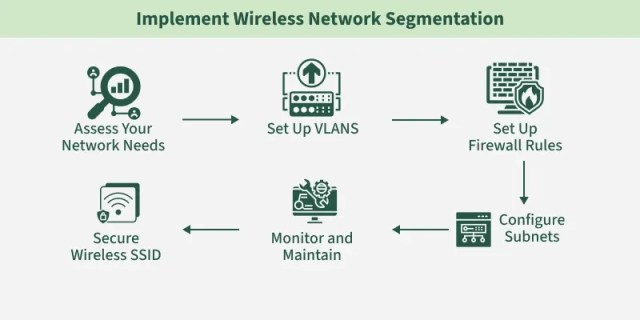
When an SSID does not appear in your WiFi list, the problem usually follows a clear pattern. Instead of guessing, use this step-by-step flow to identify the cause.
Step 1: Check If the SSID Is Hidden
Some routers allow owners to hide the network name. When this setting is enabled, the SSID will not appear in the list of available networks.
What to do:
- Ask the network owner if the SSID is hidden.
- Log into the router and confirm that SSID broadcast is enabled.
- If the SSID is hidden, you must connect manually by entering the SSID name and SSID password.
Hidden SSIDs do not offer strong security benefits and often cause connection issues.
Step 2: Confirm You Are Within Range
WiFi signals weaken with distance and obstacles.
What to do:
- Move closer to the router.
- Reduce interference from walls, appliances, or metal objects.
- Restart the router to refresh the signal.
If the signal is too weak, your device may not display the SSID at all.
Step 3: Check Frequency Band Compatibility
Modern routers broadcast on multiple bands, such as 2.4 GHz, 5 GHz, or 6 GHz. Older devices may not support newer bands.
What to do:
- Confirm which bands the router uses.
- Check whether your device supports those bands.
- Enable a compatible band in the ssid wireless internet settings if needed.
This issue commonly explains why one device sees the SSID while another does not.
Step 4: Restart the Router and Device
Temporary software issues can interrupt SSID broadcasting.
What to do:
- Restart the router.
- Restart the device trying to connect.
- Check for system or driver updates on the device.
A simple restart often restores SSID visibility.
Step 5: Inspect Router Configuration and Firmware
Incorrect settings or outdated firmware can stop an SSID from broadcasting.
What to do:
- Log into the router’s admin panel.
- Verify the SSID name is entered correctly.
- Update the router’s firmware if updates are available.
Step 6: Rule Out Device Issues
If other devices can see the SSID, the issue likely sits with the affected device.
What to do:
- Turn WiFi off and back on.
- Forget other saved networks.
- Reset network settings if necessary.
Using a structured approach makes SSID issues easier to solve. When you isolate the cause, the fix usually becomes obvious.
SSID Security: What Actually Protects Your Network
An SSID by itself does not protect anything. It only announces that a wireless network exists. Real security comes from how the router handles access and encrypts data after a device selects the SSID.
Why an SSID Does Not Provide Security
Anyone within range can see a broadcast SSID. Even if a network hides its SSID, basic scanning tools can still detect it. This means attackers do not need the SSID to target a network. They need weak security settings.
Because of this, relying on the SSID name for protection creates a false sense of safety.
What Actually Secures SSID Wireless Internet
Security depends on the settings applied to the SSID inside the router.
Encryption protocol
- WPA2 and WPA3 encrypt traffic between the router and connected devices.
- WPA3 offers stronger protection against password guessing and should be used when available.
Strong SSID password
- A strong SSID password prevents unauthorized access.
- Use a long passphrase with a mix of letters, numbers, and symbols.
- Avoid reusing passwords from other services.
Separate networks
- Guest networks isolate visitors from your main devices.
- IoT networks reduce risk from smart devices that lack strong security.
- Each SSID can enforce different access rules.
Router firmware updates
- Firmware updates close known security holes.
- Outdated routers expose even strong passwords to attack.
Common SSID Security Mistakes
Many network breaches happen because of simple missteps:
- Leaving the default SSID and password unchanged
- Using short or predictable passwords
- Enabling outdated encryption standards
- Allowing too many devices on a single network
A secure SSID setup focuses on encryption, access control, and regular maintenance, not obscurity.
Understanding these basics helps you protect ssid wireless internet without relying on myths or outdated advice.
Should You Hide Your SSID?
Hiding an SSID sounds like a smart security move, but it rarely delivers the protection people expect.
When you hide an SSID, the router stops broadcasting the network name publicly. Devices will no longer see it in the list of available WiFi networks. To connect, users must manually enter the exact SSID name and the SSID password.
This setup creates inconvenience, not real security.
Why Hiding an SSID Does Not Stop Attackers
Hidden SSIDs are still detectable. Wireless traffic continues to move between devices and the router, and basic network tools can identify the network name by observing that traffic.
Because of this, hiding an SSID does not:
- Prevent hackers from discovering the network
- Encrypt data
- Block unauthorized access attempts
Attackers target weak passwords and outdated security protocols, not visible network names.
Problems Caused by Hidden SSIDs
Hiding an SSID often introduces new issues:
- Devices struggle to reconnect automatically
- New devices require manual setup
- Some smart devices fail to connect at all
- Troubleshooting becomes harder
In shared environments, hidden SSIDs also increase the risk of users connecting to fake networks with similar names.
When People Still Choose to Hide an SSID
Some users hide SSIDs to reduce casual visibility or to keep network lists less cluttered. While this may limit accidental connections, it should never replace proper security settings.
If you hide an SSID, you must rely even more on:
- Strong encryption
- A secure ssid wireless internet password
- Updated router firmware
The Safer Alternative
Instead of hiding your SSID, focus on:
- Using WPA3 or WPA2 encryption
- Creating a strong password
- Setting up a guest network for visitors
- Keeping router software updated
Hiding an SSID adds friction, not protection. Real security comes from how the router controls access after a device selects the network.
What Happens If Multiple Networks Use the Same SSID?

When multiple networks share the same SSID, devices lose a clear way to tell them apart. This situation is common in apartment buildings, offices, and public spaces where many routers operate close to each other.
How Devices Choose Between Identical SSIDs
If your device has connected to an SSID before, it will try to reconnect automatically. When more than one network uses the same SSID, the device usually selects:
- The network with the strongest signal
- Or the network it connected to most recently
If the SSID password does not match, the connection fails. If the password does match, the device may connect to a completely different router without warning.
Common Problems Caused by Duplicate SSIDs
Duplicate SSIDs can create several issues:
- Devices connect to the wrong network
- Internet speed becomes inconsistent
- Users experience random disconnections
- Troubleshooting becomes difficult
In residential areas, this often happens when many neighbors keep default router names. In businesses, poor SSID planning can disrupt operations.
Security Risks in Public Spaces
In public environments, duplicate SSIDs pose a more serious risk. Attackers sometimes create fake networks with names that closely resemble legitimate ones. This tactic tricks users into connecting to the wrong network and exposing their data.
This risk increases when:
- Networks have no password
- The SSID name looks official
- Users rush through the WiFi SSID login process
How to Avoid SSID Conflicts
To reduce confusion and risk:
- Use unique SSID names
- Avoid default router names
- Confirm the correct network before connecting
- Use encryption on every SSID
Clear naming makes ssid wireless internet easier to manage and safer to use.
SSID in Home vs Business vs Public WiFi
SSIDs serve the same basic purpose everywhere, but how people use them changes depending on the environment. Home networks, business networks, and public WiFi all apply SSIDs in different ways.
SSID in Home WiFi Networks
In a home setup, the SSID usually exists to keep things simple. Most homes use one main SSID for daily use and sometimes a second SSID for guests.
Home SSIDs focus on:
- Easy identification
- Simple WiFi SSID login
- Shared access across phones, laptops, and smart devices
Many home routers broadcast the same SSID across multiple bands to avoid confusion. This allows devices to switch automatically between frequencies while keeping one network name.
SSID in Business and Office Networks
Business environments use SSIDs with more structure and purpose.
A single office may broadcast several SSIDs at once, such as:
- A secure employee network
- A guest network with limited access
- A dedicated SSID for company devices or systems
Each SSID follows specific ssid wireless internet settings that control access, speed, and security. Businesses often separate traffic to reduce risk and improve performance.
Clear SSID naming also helps IT teams manage networks and troubleshoot issues faster.
SSID in Public WiFi Networks
Public WiFi uses SSIDs to guide large numbers of users quickly. Cafés, airports, and hotels choose SSID names that are easy to recognize and trust.
Public SSIDs often:
- Appear without passwords or use simple access pages
- Rely on limited permissions
- Serve many devices at once
Because public networks attract attackers, users should always confirm the correct SSID before connecting and avoid entering sensitive information.
Understanding how SSIDs function in different environments helps you adjust your expectations and behavior. What works at home may not apply in an office or public space.
When you recognize how SSIDs operate in context, ssid wireless internet becomes easier to use and safer to navigate.
Common SSID Mistakes to Avoid
Most WiFi problems trace back to simple SSID mistakes. Avoiding these errors makes ssid wireless internet easier to manage and more secure.
Leaving the Default SSID Name
Default SSIDs often look alike. In crowded areas, this causes confusion and increases the chance of connecting to the wrong network. Default names also reveal the router brand, which can attract targeted attacks.
Change the SSID to something unique and easy to recognize.
Using Weak or Reused Passwords
A weak SSID password puts the entire network at risk. Short passwords and reused credentials make brute-force attacks easier.
Use a long, unique passphrase and update it periodically.
Changing the SSID Without Planning
Changing an SSID disconnects every device instantly. When people change the name without preparation, devices fail to reconnect and users assume the network is broken.
Before changing SSID settings:
- Notify users
- Reconnect important devices manually
- Remove old saved networks
Hiding the SSID Instead of Securing It
Hiding the SSID does not replace encryption. It adds inconvenience while offering little protection.
Focus on proper security settings instead of obscurity.
Using Confusing or Misleading SSID Names
SSID names that resemble public networks or official services confuse users and increase the risk of accidental connections. Misleading names also help attackers disguise fake networks.
Choose names that clearly identify the network owner without exposing personal information.
Ignoring Firmware Updates
Outdated router firmware weakens security, even with a strong SSID and password. Updates fix vulnerabilities that attackers actively exploit.
Check for firmware updates regularly and install them promptly.
Avoiding these mistakes keeps ssid wireless internet reliable, secure, and easy to troubleshoot.
If you’re ready to take the next step in your tech career journey, cybersecurity is the simplest and high-paying field to start from. Apart from earning 6-figures from the comfort of your home, you don’t need to have a degree or IT background. Schedule a one-on-one consultation session with our expert cybersecurity coach, Tolulope Michael TODAY! Join over 1000 students in sharing your success stories.
Final Thoughts…
SSID wireless internet is the system that helps devices identify and connect to the correct WiFi network. It acts as the network’s name, not its security.
An SSID allows phones, laptops, and other devices to find a network created by a router. Once a device selects the SSID, it must provide the correct SSID password to complete the connection. The SSID points the way, while the password controls access.
Every ssid wireless internet router manages SSIDs through its wireless settings. Routers can broadcast one or multiple SSIDs, each with different rules for access and security. Changing SSID names or settings affects all connected devices and requires careful planning.
Finding an SSID depends on the situation. You can locate it on the router, in a device’s WiFi settings, or by asking the network owner. Knowing how to find SSID of WiFi helps you avoid connection errors and security risks.
Security does not come from the SSID itself. Strong encryption, a secure password, updated firmware, and proper network segmentation protect wireless networks. Hiding an SSID adds inconvenience but offers little real protection.
When you understand how SSIDs work, how to connect, and how to secure them, ssid wireless internet becomes easier to manage and safer to use in any environment.
FAQ
Is SSID just your Wi-Fi name?
Yes. An SSID is simply the name of your Wi-Fi network.
When you open WiFi settings and see a list of available networks, every name in that list is an SSID. The SSID helps your device identify which network to connect to, especially in areas where many networks exist.
The SSID does not control access and does not secure the network. It only labels it. The password and encryption settings handle security.
What is an example of a SSID?
An SSID can be any name chosen by the router owner, as long as it follows basic character rules.
Common examples include:
– Home_WiFi
– Office_Network
– CoffeeShop_Guest
– Linksys_4829
Default SSIDs often include the router brand and random characters. Custom SSIDs usually use recognizable names so users can identify the correct network quickly.
Is Wi-Fi SSID the username?
No. A Wi-Fi SSID is not a username.
The SSID identifies the network, not the person connecting to it. Most home and public WiFi networks do not use usernames at all. They rely only on a password to control access.
Usernames appear in specific environments, such as enterprise or corporate WiFi networks, where users log in with individual credentials. In those cases, the SSID still identifies the network, while the username identifies the user.
Should I use the 2.4 GHz or 5 GHz SSID?
The better choice depends on your needs and your device.
Use a 2.4 GHz SSID when:
– You need longer range
– Walls and obstacles block signals
– You connect older devices or smart home equipment
Use a 5 GHz SSID when:
– You want faster speeds
– You are close to the router
– You experience interference on 2.4 GHz
Many modern routers combine both bands under one SSID and switch automatically. This setup works well for most users and reduces confusion during connection.
